

Why Image Moderation Is Important for a Photo Check / Fotocheck: Building Trust, Safety, and Authenticity in the Digital World
Introduction: The Growing Importance of Reliable Photo Checks
Images have become one of the most important forms of communication on the internet. Every day, billions of photos are uploaded to social networks, online marketplaces, dating platforms, communities, forums, e-commerce websites, classified advertising portals, and professional networks. Images influence decisions, shape opinions, create trust, and often determine whether users interact with a person, product, or service.
However, the increasing importance of visual content has also created significant risks.
Fake profile pictures, manipulated images, inappropriate content, stolen photographs, AI-generated faces, illegal imagery, misleading product photos, and harmful visual material have become major challenges for digital businesses. As a result, a simple photo upload process is no longer sufficient for companies that want to protect their users and platforms.
This is where a professional photo check, supported by advanced image moderation, becomes essential.
Image moderation allows businesses to automatically analyze visual content and determine whether an image complies with predefined rules, safety requirements, platform guidelines, legal regulations, and quality standards. When integrated into a photo check process, image moderation can help identify inappropriate, manipulated, fraudulent, or suspicious images before they cause harm.
The importance of image moderation is growing rapidly as businesses face increasing pressure to create safer digital environments. Platforms must protect users, brands must protect their reputation, and companies must comply with regulations and the expectations of payment providers, business partners, and customers.
This article explains why image moderation is an essential part of a modern photo check and how artificial intelligence is transforming the way organizations analyze and manage visual content.
What Is a Photo Check?
A photo check is the process of analyzing an uploaded image to determine whether it meets specific requirements.
Depending on the industry and application, a photo check may examine different characteristics. For example, a platform may want to determine:
- Whether a human face is visible.
- Whether the image contains inappropriate content.
- Whether nudity or explicit material is present.
- Whether the image is authentic or manipulated.
- Whether the image contains prohibited objects.
- Whether the photo matches platform guidelines.
- Whether the image is suitable for public publication.
- Whether the image contains text or offensive language.
- Whether the image appears to be AI-generated.
- Whether the same image has been reused across multiple profiles.
- Whether the photograph represents a real person.
A traditional photo check might be performed manually by human moderators. However, manual moderation becomes increasingly difficult when platforms receive thousands or millions of images every day.
Artificial intelligence and automated image moderation provide a scalable alternative.
Modern AI-based image moderation systems can analyze images in seconds and automatically identify potential problems. This allows companies to perform photo checks faster, more consistently, and at a significantly larger scale.
Why Image Moderation Is Essential for a Modern Photo Check
The primary purpose of image moderation is to protect people and platforms from harmful, inappropriate, fraudulent, or misleading visual content.
A modern photo check should not simply determine whether an image can technically be uploaded. Instead, it should evaluate whether the image creates risks for the platform, its users, and its business partners.
Image moderation adds an intelligent security layer to this process.
Without image moderation, platforms may unknowingly allow harmful content to become publicly available. This can result in user complaints, reputational damage, financial losses, regulatory problems, and even the loss of relationships with payment service providers.
The following areas demonstrate why image moderation is becoming increasingly important.
Image Moderation Helps Prevent Inappropriate Content
One of the most obvious reasons for using image moderation during a photo check is the prevention of inappropriate content.
Digital platforms may receive images containing:
- Explicit nudity.
- Sexual content.
- Violence.
- Graphic injuries.
- Weapons.
- Hate symbols.
- Offensive gestures.
- Drug-related content.
- Illegal material.
- Disturbing imagery.
Different platforms have different rules.
A professional business network may prohibit any form of nudity. A family-oriented platform may require extremely strict protection standards. A marketplace may prohibit violent or offensive product images. A dating platform may allow certain forms of adult imagery while still prohibiting explicit sexual content.
Image moderation systems can be configured according to these individual requirements.
This allows companies to establish a clear moderation policy and automatically evaluate uploaded images against their rules.
A reliable photo check should therefore include content classification capabilities that can identify potentially problematic material before publication.
Protecting Users Through Automated Image Moderation
User safety is one of the most important responsibilities of every online platform.
Users expect companies to provide environments where they can communicate, buy products, interact with others, and share content without being exposed to harmful material.
If inappropriate images appear regularly on a platform, users may lose trust and leave.
This is particularly important for:
- Dating platforms.
- Social networks.
- Online communities.
- Messaging services.
- Gaming platforms.
- Educational websites.
- Family-oriented applications.
- Marketplaces.
- Hospitality portals.
A photo check supported by AI image moderation can prevent many problematic images from becoming visible in the first place.
Instead of waiting for users to report harmful content, companies can proactively analyze uploaded images.
This changes moderation from a reactive process into a preventive safety strategy.
Preventive moderation is especially valuable because harmful content can spread extremely quickly. Once an image has been published, copied, shared, or downloaded, removing it completely may become difficult or impossible.
Stopping inappropriate content before publication is therefore significantly more effective than attempting to remove it later.
Image Moderation Supports Fake Profile Detection
Fake profiles are a major problem for many digital businesses.
Fraudsters frequently use stolen or manipulated photographs to create fake accounts. These accounts may be used for scams, financial fraud, social engineering, phishing, catfishing, or other malicious activities.
A basic photo check can help identify suspicious profile images.
Advanced image moderation technology can analyze multiple characteristics, including:
- Face presence.
- Number of people.
- Image quality.
- Image duplication.
- Suspicious visual patterns.
- AI-generated facial characteristics.
- Manipulation indicators.
- Reused profile pictures.
For dating platforms, social networks, and community websites, profile photo verification can be particularly important.
Users are more likely to trust a platform when they believe that profile images represent real people.
Image moderation can therefore contribute directly to platform credibility.
A strong photo check process can combine image moderation with additional technologies such as:
- Liveness detection.
- Facial verification.
- Identity verification.
- Document verification.
- Duplicate image detection.
- AI-generated image detection.
Together, these technologies can create a much stronger defense against fake accounts.
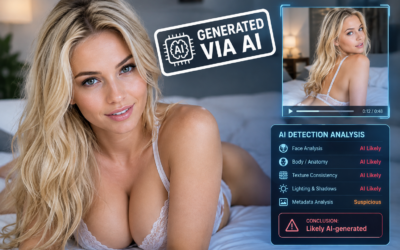
The Growing Challenge of AI-Generated Images
Artificial intelligence has dramatically changed the world of digital images.
Modern generative AI systems can create highly realistic photographs of people who do not actually exist. These images can be used to create fake social media accounts, fraudulent dating profiles, misleading advertisements, and synthetic identities.
The problem is becoming increasingly complex because AI-generated images are becoming more realistic. A service like the one from airis:protect.com is super helpful to optimize.
Traditional moderation methods may not be sufficient to identify these images.
This makes AI-powered image analysis increasingly important.
Modern photo check solutions should be capable of identifying indicators associated with:
- Synthetic faces.
- AI-generated people.
- Deepfake images.
- Artificial backgrounds.
- Manipulated photographs.
- Generative AI artifacts.
AI detection is not always perfect, and companies should avoid relying on a single signal. However, combining multiple detection methods can significantly improve the quality of a photo check process.
The ability to distinguish between authentic and potentially artificial visual content is likely to become one of the most important functions of future image moderation systems.
Image Moderation Protects Brand Reputation
Brand reputation is one of the most valuable assets of any business.
A company can invest millions in marketing, customer acquisition, and brand development. However, a small amount of harmful or inappropriate content can significantly damage public perception.
Imagine an online platform where users regularly encounter:
- Offensive images.
- Fake profiles.
- Explicit material.
- Violent content.
- Fraudulent advertisements.
- Misleading product photos.
Users may quickly associate these problems with the company itself.
They may conclude that the platform is unsafe, poorly managed, or unprofessional.
Image moderation helps companies protect their brand by ensuring that visual content meets defined quality and safety standards.
A consistent photo check process demonstrates that a company takes responsibility for its digital environment.
This can create a competitive advantage.
Companies that provide safer and more trustworthy environments are more likely to retain customers and attract high-quality users.
Improving Trust in Online Marketplaces
Online marketplaces depend heavily on images.
Customers often make purchasing decisions based primarily on product photographs.
If sellers upload misleading, manipulated, inappropriate, or fraudulent images, customers may lose confidence in the marketplace.
Image moderation can help identify:
- Inappropriate product photos.
- Offensive visual material.
- Prohibited products.
- Duplicate images.
- Misleading advertising.
- Low-quality images.
- Images containing prohibited symbols.
- Images that violate marketplace guidelines.
A photo check can therefore become part of the marketplace quality assurance process.
Instead of allowing every image to become publicly visible immediately, automated moderation can analyze the content and determine whether further review is necessary.
This can help marketplaces maintain higher quality standards while reducing the workload for human moderation teams.
Faster Photo Checks Through Artificial Intelligence
Speed is one of the major advantages of AI-based image moderation.
Manual moderation requires human employees to review every uploaded image. This process can become expensive and slow.
A large digital platform may receive thousands or millions of images every day.
Human moderation teams may struggle with:
- High workloads.
- Different interpretations of guidelines.
- Employee fatigue.
- Slow response times.
- Growing operational costs.
AI-based image moderation can analyze large volumes of images automatically.
The technology can identify potential risks and assign categories or confidence scores.
For example:
- Low-risk images may be automatically approved.
- Medium-risk images may be placed in a review queue.
- High-risk images may be automatically blocked.
This hybrid approach combines the speed of artificial intelligence with the judgment of human moderators.
The result is a more efficient and scalable photo check process.
Consistency in Content Moderation
Human moderators can interpret content differently. One moderator may consider an image acceptable while another may reject it. This inconsistency can create problems for platforms.
Users may complain that moderation decisions are unfair or unpredictable. AI-based image moderation can apply the same predefined rules consistently across millions of images.
This does not mean that artificial intelligence should completely replace human decision-making. Instead, AI can provide a consistent first layer of analysis. Human moderators can then focus on complex or ambiguous cases.
A consistent photo check process can help organizations create:
- Clear platform standards.
- Predictable moderation decisions.
- Better documentation.
- Improved quality control.
- More efficient workflows.
Consistency is particularly important for global platforms that operate across multiple countries and languages.
Reducing the Costs of Manual Moderation
Manual content moderation can be expensive.
Companies must recruit, train, and manage moderation teams. As content volumes increase, operational costs can rise significantly.AI image moderation can reduce these costs by automating routine decisions.
Human moderators can focus on cases where human judgment is truly necessary.This approach is often described as human-in-the-loop moderation.For example, an AI system may automatically approve clearly harmless images. Potentially problematic images can then be forwarded to trained employees.
This reduces the number of images that require manual review.
The benefits include:
- Lower operational costs.
- Faster processing.
- Better scalability.
- Reduced workload.
- Improved productivity.
For growing digital platforms, automation can be essential for maintaining moderation quality without continuously increasing staff numbers.
Supporting Legal and Compliance Requirements
Digital businesses operate in an increasingly complex regulatory environment.
Companies may need to demonstrate that they are taking reasonable steps to protect users and prevent illegal or harmful content. Checking identity via airis:ident.com reduces the risks inside the KYC process.
Depending on the industry and location, businesses may face requirements related to:
- User protection.
- Child safety.
- Consumer protection.
- Online platform responsibility.
- Privacy.
- Fraud prevention.
- Illegal content prevention.
Image moderation can support compliance strategies by providing an automated mechanism for detecting potentially problematic visual material.
Companies can also create moderation logs and workflows that document how images were analyzed and processed. This documentation can be valuable when companies need to demonstrate that they have implemented responsible content management procedures. However, image moderation should not be viewed as a complete legal compliance solution.
Companies should combine technology with legal advice, internal policies, human review, and appropriate governance procedures.
Payment Service Providers and Image Moderation
Payment service providers are increasingly concerned about the types of businesses and content they support.
Companies operating online platforms may face restrictions if their websites contain illegal, harmful, or high-risk content. Ckeck www.ecardon.com for a great partnership in payment solutions.
This is particularly relevant for industries such as:
- Adult entertainment.
- Dating.
- Social networking.
- User-generated content platforms.
- Marketplaces.
- Digital communities.
Payment providers may require businesses to demonstrate that they have appropriate content moderation procedures.
A strong image moderation and photo check system can therefore support business continuity. Companies that actively monitor user-generated content may reduce the risk of serious compliance problems. A proactive moderation strategy can also demonstrate that a platform is taking responsibility for its users and published material.
This can become an important part of a broader risk management strategy.
Image Moderation Can Improve Customer Experience
Image moderation is not only about blocking harmful content.
It can also improve the overall quality of a platform.
For example, a photo check system can identify:
- Blurry images.
- Extremely dark images.
- Empty images.
- Screenshots instead of photographs.
- Images with no visible subject.
- Duplicate uploads.
Platforms can use this information to encourage users to upload better-quality photographs.
For example, a dating platform may ask users to upload a clear photo containing their face. An online marketplace may require product photographs to meet minimum quality standards. A professional platform may require profile images that are suitable for business communication.
Image moderation can therefore support both safety and quality.
The Role of Human Moderators
Despite the growing capabilities of artificial intelligence, human moderators remain important. Some images are complex and context-dependent. Artificial intelligence may identify visual elements but struggle to understand cultural, social, or situational context.
For example, an image may contain:
- Artistic nudity.
- Historical symbols.
- Medical content.
- Educational material.
- Political imagery.
Automated systems may incorrectly classify such content. Human review is therefore important for complex cases. The most effective moderation strategy is often a combination of artificial intelligence and human expertise.
AI can provide:
- Speed.
- Scalability.
- Consistency.
- Automated detection.
Humans can provide:
- Context.
- Judgment.
- Cultural understanding.
- Appeals handling.
- Complex decision-making.
This combination creates a balanced and responsible photo check process.
Creating an Effective Image Moderation Strategy
Companies should not simply install an image moderation tool and assume that all problems are solved. A successful strategy requires clear planning.
Organizations should first define what types of content they want to detect.
Possible categories include:
- Nudity.
- Sexual content.
- Violence.
- Weapons.
- Drugs.
- Hate symbols.
- Offensive gestures.
- AI-generated images.
- Manipulated photos.
- Duplicate images.
- Fake profile pictures.
The company should then define how the moderation system should respond.
For example:
Automatically Approve
Images with a very low risk score can be published automatically.
Request Additional Verification
Suspicious images may require the user to provide another photo or complete an additional verification step.
Human Review
Uncertain cases can be sent to trained moderators.
Automatically Block
Clearly prohibited content can be prevented from being published.
This structured approach helps companies build an efficient moderation workflow.
The Future of Photo Checks and Image Moderation
The future of photo checks will be strongly influenced by artificial intelligence.
As visual content continues to increase, companies will require more advanced automation technologies.
Future image moderation systems may include:
- Real-time image analysis.
- Advanced deepfake detection.
- AI-generated image identification.
- Facial authenticity analysis.
- Behavioral pattern analysis.
- Cross-platform duplicate detection.
- Video moderation.
- Multimodal content analysis.
- Integration with identity verification.
The combination of image moderation and identity verification may become particularly important.
Instead of only asking whether an image is appropriate, future systems may analyze whether the image represents a real person and whether the person is connected to a verified identity.
This could significantly improve trust in digital platforms.
Why Businesses Should Invest in Image Moderation Today
The digital world is becoming more visual, more automated, and more complex.
At the same time, the risks associated with visual content are increasing. Fake images, synthetic identities, inappropriate material, manipulated photographs, and fraudulent profile pictures create challenges for businesses in almost every industry.
A professional photo check supported by AI-based image moderation provides an effective solution.
The technology can help companies:
- Protect users.
- Detect inappropriate content.
- Reduce fake profiles.
- Identify suspicious images.
- Improve platform quality.
- Protect brand reputation.
- Reduce manual moderation costs.
- Support compliance processes.
- Build customer trust.
- Scale content management operations.
Businesses that ignore the importance of visual content moderation may face increasing risks in the future. User expectations are changing.
Customers increasingly expect platforms to provide safe and trustworthy environments. Business partners and payment providers may also expect companies to demonstrate responsible content management. Image moderation is therefore no longer simply an optional technical feature.
It is becoming an important component of digital trust and safety strategies.
Conclusion: Image Moderation Is a Critical Part of Every Professional Photo Check
A modern photo check should do much more than verify whether an image can be uploaded successfully. It should analyze whether the image is safe, appropriate, authentic, and compliant with platform requirements. Image moderation provides the intelligence required to perform this analysis at scale.
Artificial intelligence can analyze millions of images, identify potential risks, detect inappropriate material, and support human moderation teams. The combination of automated technology and human expertise creates a powerful framework for managing visual content. For online platforms, marketplaces, dating services, social networks, and businesses working with user-generated content, image moderation is becoming increasingly important.
The ability to perform reliable photo checks can directly influence user safety, customer trust, brand reputation, operational efficiency, and business success.
As artificial intelligence continues to transform digital communication, companies must also adapt their approach to visual security. Investing in advanced image moderation technology allows businesses to move from reactive content management to proactive protection.
Instead of waiting for users to report harmful or fraudulent images, companies can detect potential problems before they become visible. This proactive approach represents the future of digital trust and safety. Ultimately, image moderation is not only about technology.
It is about creating safer platforms, protecting users, strengthening brands, and building trust in an increasingly visual digital world.
For every company that depends on user-generated images, a professional photo check supported by intelligent image moderation should therefore be considered an essential part of its long-term digital strategy.